
Automatic Debit in Brazil: How It Works, How to Cancel, and What Changed with Automatic Pix

Automatic debit is a billing arrangement in which the billing company authorizes your bank to withdraw an amount directly from your account on an agreed date — typical for electricity, water, internet, tuition, and subscriptions. The core rule is simple: automatic debit can only happen with your prior authorization, and you can cancel that authorization whenever you want. In this guide, you'll understand how the mechanism works, how to authorize and cancel it, what to do if you're charged incorrectly, and what changes with Automatic Pix.
What is automatic debit
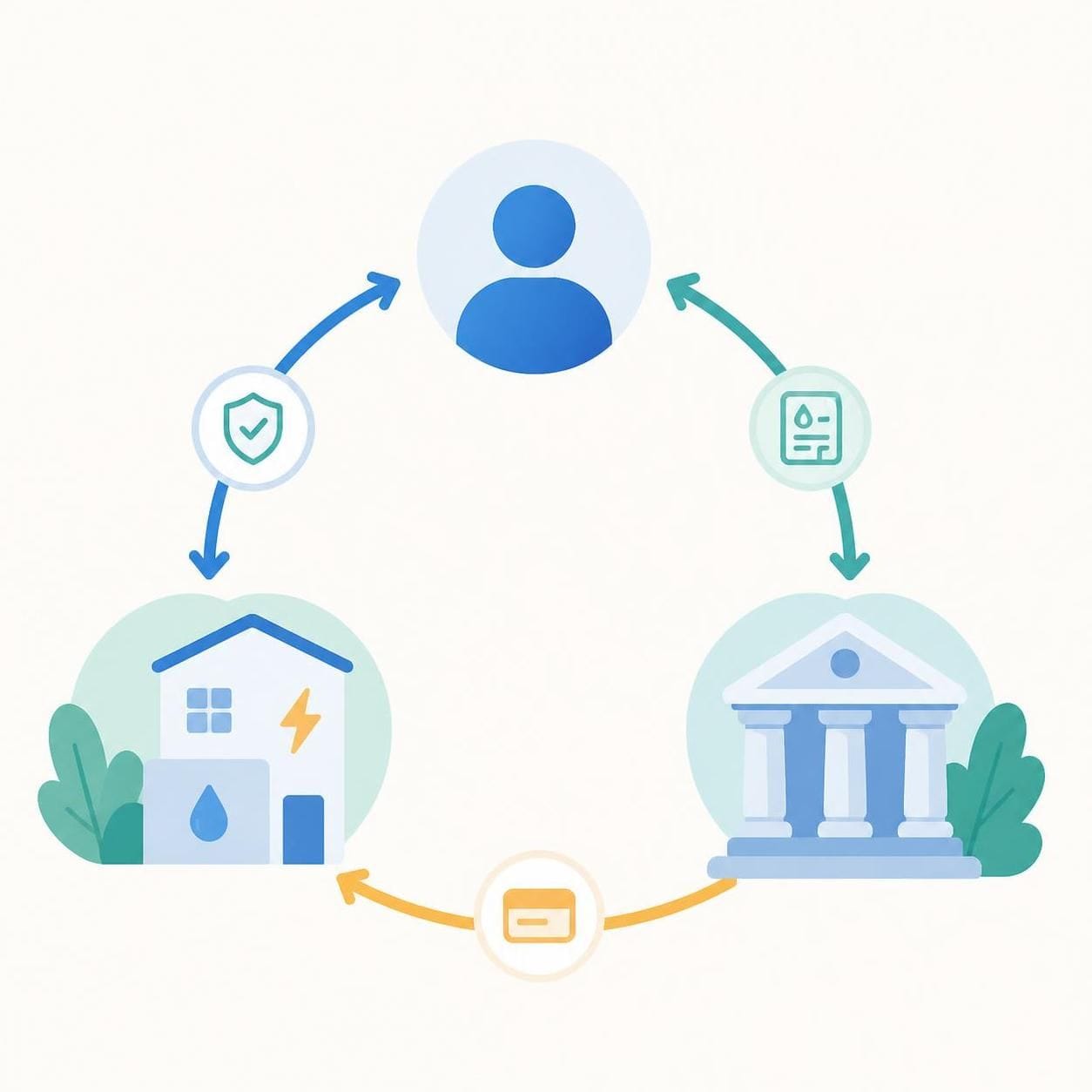
Automatic debit is a triangular arrangement:
- You (the account holder) authorize the bank to debit amounts on behalf of a company.
- The billing company (the receiver) sends the charge on the scheduled date.
- The bank (the depositary institution) executes the debit on your account.
It's a convenience tool: it eliminates the risk of forgetting a bill and paying interest or penalties. In exchange, it requires organization — if your balance is insufficient on the billing date, your account may go negative or the charge may not go through, depending on your bank's rules and the agreement.
What the Central Bank rule says
Debit authorizations on accounts are regulated by Brazil's Central Bank under CMN Resolution 4,790/2020. The essential points:
- Mandatory prior authorization: debits on deposit accounts and salary accounts depend on the holder's prior authorization. This authorization must have a specific purpose, identify the account, be provided in writing or by electronic means, and specify a term.
- Right to cancel: the holder is guaranteed the right to cancel the debit authorization. Cancellation can be formalized either at the depositary institution (your bank) or at the recipient institution (the company receiving the payment).
In practice, this means no company can "activate" automatic debit on your account without your consent, and cancellation cannot be treated as a favor from your bank manager — it's a right guaranteed by regulation.
How to set up an automatic debit
The most common route is to request the service directly from the billing company (utility provider, internet operator, gym, etc.), providing your bank, branch, and account details. In many cases, the company itself sends the authorization to the bank. Some banks also let you manage authorizations through their app or internet banking.
When authorizing, check:
- Which account will be debited (the authorization must identify the account);
- The purpose (which company and what type of charge);
- The term of the authorization;
- Whether there's a fee: automatic debit fees vary by financial institution — check your bank's fee schedule before signing up.
How to cancel an automatic debit
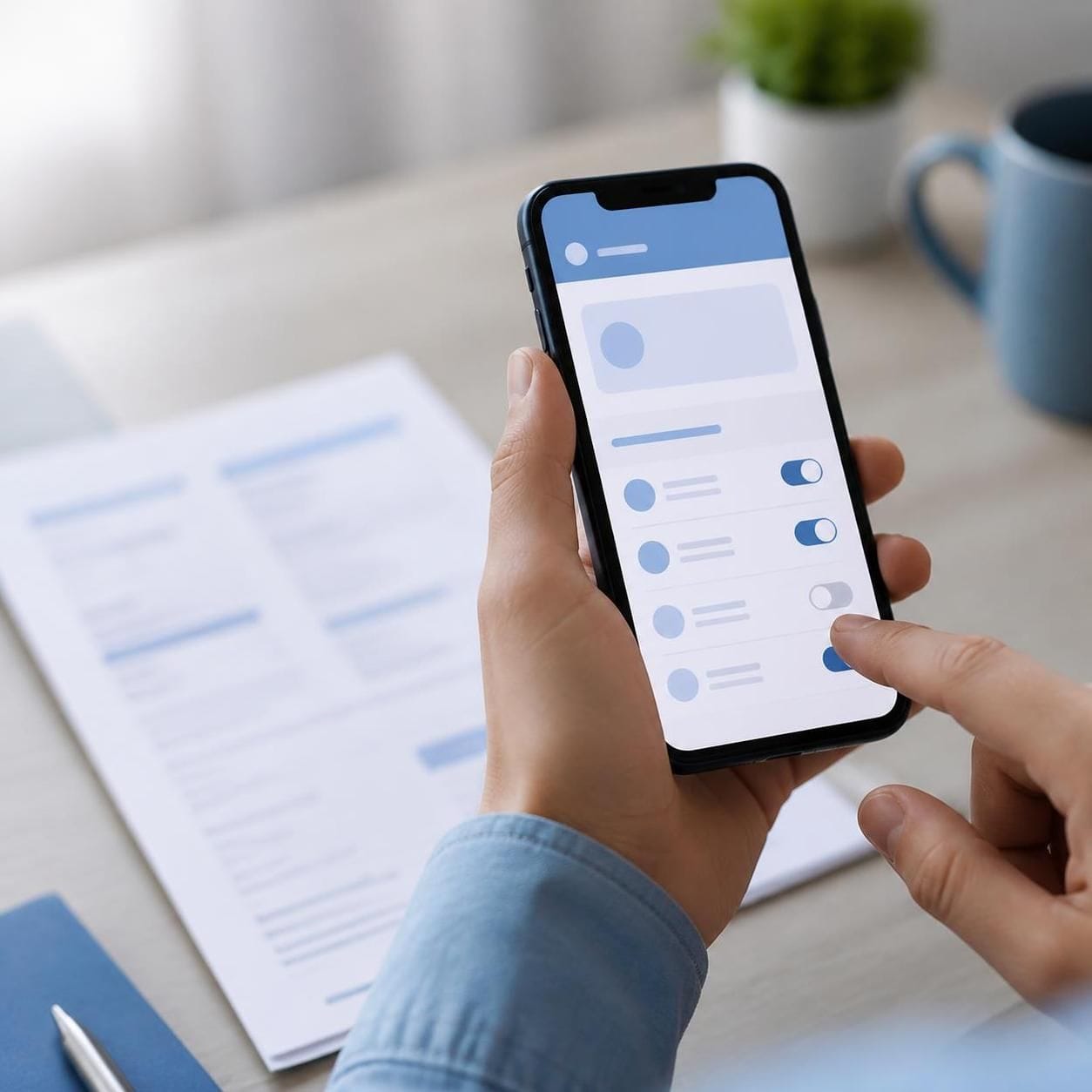
You can cancel at any time, through two channels:
- At the bank (depositary institution): request cancellation of the authorization via the app, internet banking, or a branch.
- At the company (recipient institution): request cancellation directly from the company receiving the payment.
Canceling the authorization does not automatically settle the debt: if you owe a bill or a monthly fee, the company can charge you through other means (payment slip, Pix, card). Cancellation ends the automatic charge, not the service contract.
What if there's an incorrect charge?
If an amount is debited without valid authorization, outside the agreed terms, or after cancellation, the path is:
- Gather evidence: bank statement, receipt, contract, cancellation protocols;
- File a complaint with the bank and/or the company, requesting a refund;
- If there's no resolution, escalate to the Central Bank's complaint channel or consumer protection agencies.
Note: the specific deadlines for disputing and refunding amounts depend on the rules applicable to each case and will not be stated here without a verified source. What the regulation guarantees is the right to cancel the authorization — and prior authorization as a condition for the debit to exist at all.
A good routine helps: reviewing your statement periodically lets you spot unfamiliar charges early. See the step-by-step in how to review your bank statement and, if you suspect accounts opened in your name, check how to find Pix keys and accounts registered under your CPF via Registrato.
What changed with Automatic Pix
Since October 2025, Brazil's Central Bank has regulated Automatic Pix, which has its own set of rules. For debits to receivers that are legal entities or entities not authorized by the BCB, authorizations and cancellations now follow exclusively the Automatic Pix rules, with existing contracts and authorizations to be adapted by January 1, 2026.
Key points:
- Automatic Pix does not fully "replace" traditional automatic debit: they are distinct products, with their own rules, that coexist;
- For many receivers, new authorizations follow the Automatic Pix rules;
- Existing authorizations had a deadline for contractual adaptation by early 2026.
If you've used automatic debit for years, you may receive a communication from your bank or the company about migrating or reconfirming the authorization. Read it carefully before accepting.
Comparison table: automatic debit vs. Automatic Pix
| Aspect | Traditional automatic debit | Automatic Pix |
|---|---|---|
| Regulatory basis | CMN Resolution 4,790/2020 | Specific Automatic Pix regulation (art. 2º-A of Res. 4,790) |
| Prior authorization | Mandatory, in writing or by electronic means | Mandatory, under Automatic Pix's own rules |
| Cancellation | At the bank or the billing company | Under Automatic Pix regulation |
| Coverage | Agreements between bank and company | Legal-entity receivers/entities under Pix rules |
| Coexistence | Continues to exist | Exclusive rules for newly covered receivers |
Advantages and risks
Advantages:
- Reduces the risk of forgetting bills, interest, and penalties;
- Centralizes recurring payments in your account;
- Makes control easier when combined with a budget.
Risks and cautions:
- A debit without sufficient balance can trigger fees or overdraft — overdraft credit is one of the most expensive (see how overdraft works);
- Charges from forgotten services keep coming — it's worth reviewing how to control recurring subscriptions;
- Lack of monitoring can mask incorrect charges.
Common mistakes
- Authorizing without checking the fee for the automatic debit service at your bank;
- Canceling only with the company and assuming the bank also stopped — or vice versa; formalize it through both channels when possible;
- Not keeping the cancellation protocol;
- Leaving your balance at zero near the billing date;
- Confusing the migration to Automatic Pix rules with an automatic cancellation of the service.
FAQ
Does automatic debit have a fee? Fees vary by financial institution. Check your bank's fee schedule.
Can I cancel whenever I want? Yes. The right to cancel the authorization is guaranteed by a Central Bank rule, and cancellation can be done at the bank or the billing company.
Does canceling the automatic debit cancel the service (electricity, internet, etc.)? No. Cancellation ends the automatic charge, not the contract with the company. The bill will keep arriving through another channel.
Did Automatic Pix end automatic debit? No. They are distinct products with their own rules. For many receivers, new authorizations follow the Automatic Pix rules, but there is no full replacement.
What if an incorrect amount is debited? Gather evidence, file a complaint with the bank and/or the company and, if it persists, escalate to the Central Bank and consumer protection channels.
Conclusion
Automatic debit is a useful organization tool — as long as you stay in control. Authorize only what you recognize, check fees, keep a balance compatible with billing dates, and review your statement regularly. And remember: canceling the authorization is your right, exercisable at any time at the bank or the company. With the arrival of Automatic Pix rules, it's worth reassessing your active authorizations and using the opportunity to clean up charges that no longer make sense.
This content is educational and does not constitute individual investment or product advice.

