
How to Identify a Fake Bank Slip (Boleto) Before Paying

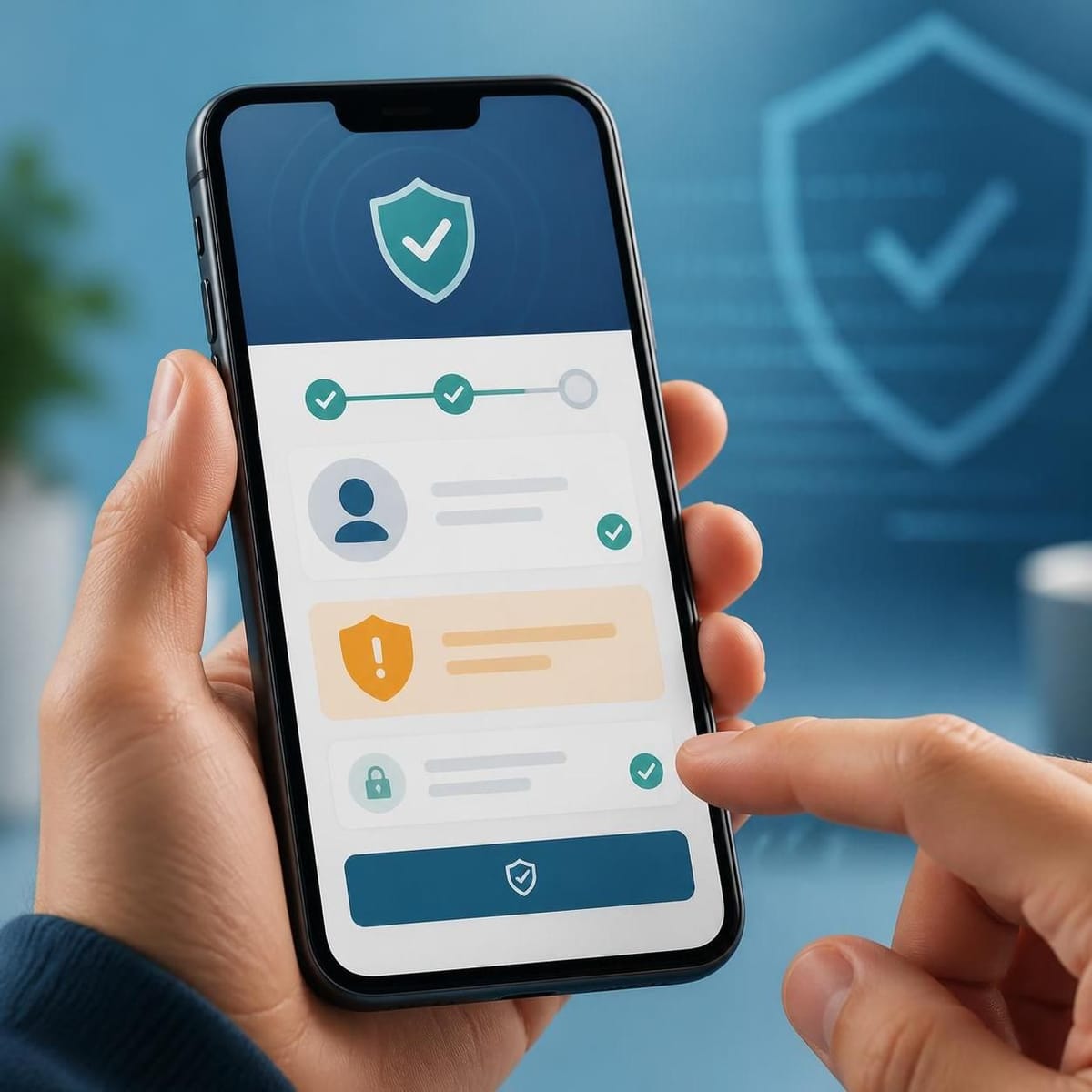
Identifying a fake bank slip (boleto bancário) before making a payment is one of the most critical skills to protect your finances against digital fraud. With the advancement of technology and the use of viruses or malware that alter barcodes on computer screens and mobile devices, scams have become increasingly sophisticated. However, paying attention to specific details on the document and using official tools can prevent severe financial losses.
This practical guide brings together key guidelines based on public safety directives and regulatory bodies to help you recognize an authentic payment slip and act safely.
What is a Fake Bank Slip and How Does It Work?
The fake slip scam occurs when criminals generate a document identical in appearance to a legitimate bill (such as school tuition, condo fees, or credit card bills) or intercept the original delivery to alter payment details.
When you scan the barcode or type the digitizable line, the money paid does not go to the creditor company, but rather to a shell company or front account controlled by fraudsters. Often, the fraud is only discovered days later when the real company charges the outstanding balance.
Main Warning Signs on a Bank Slip
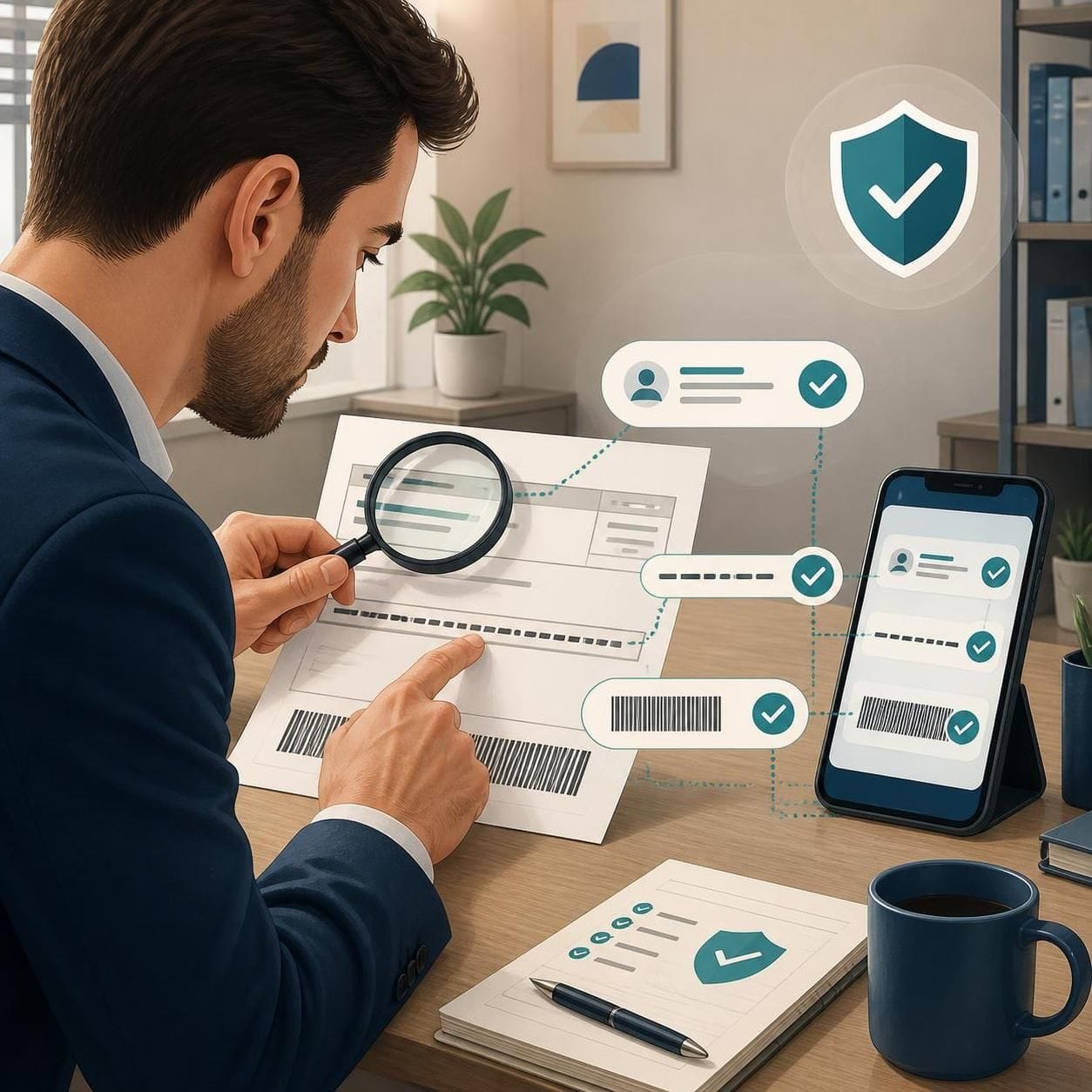
To avoid falling into traps, always check the following points before confirming any transaction on your banking app:
- Final Beneficiary Details: This is the most important verification. When you authorize payment in your internet banking or mobile app, the bank displays the name (or legal entity name) and the CPF/CNPJ of the beneficiary. If the name shown is an individual or a completely unknown company (instead of the company you actually owe), do not complete the payment.
- Portuguese Typos and Formatting Errors: Slips issued by large companies and financial institutions follow strict graphic standards. Gross spelling errors, distorted logos, or alignment flaws should immediately raise suspicion.
- Atypical Amounts or Exaggerated Discounts: Out-of-market discounts offered at the last minute for immediate payment via slip are usually indicators of fraud.
- Digitizable Line and Barcode: Although criminals can tamper with the digitizable line to route payments elsewhere, it is worth checking whether the first digits correspond to the official issuing bank's code.
Useful Prevention Tools: DDA (Authorized Direct Debit)
One of the most efficient ways to protect yourself against fake slips is to activate DDA (Débito Direto Autorizado) with your bank.
DDA centralizes all billing statements issued against your CPF or CNPJ electronically. Through this tool:
- You can view all slips issued in your name before receiving them via email or mail.
- You can pay securely directly within an official environment controlled by the banking system.
- It drastically reduces the risk of paying counterfeit documents received through untrusted channels.
To activate DDA, simply access your bank's app under the payments or services category and look for the "Authorized Direct Debit (DDA)" option.
What to Do If You Identify or Pay a Fake Slip?
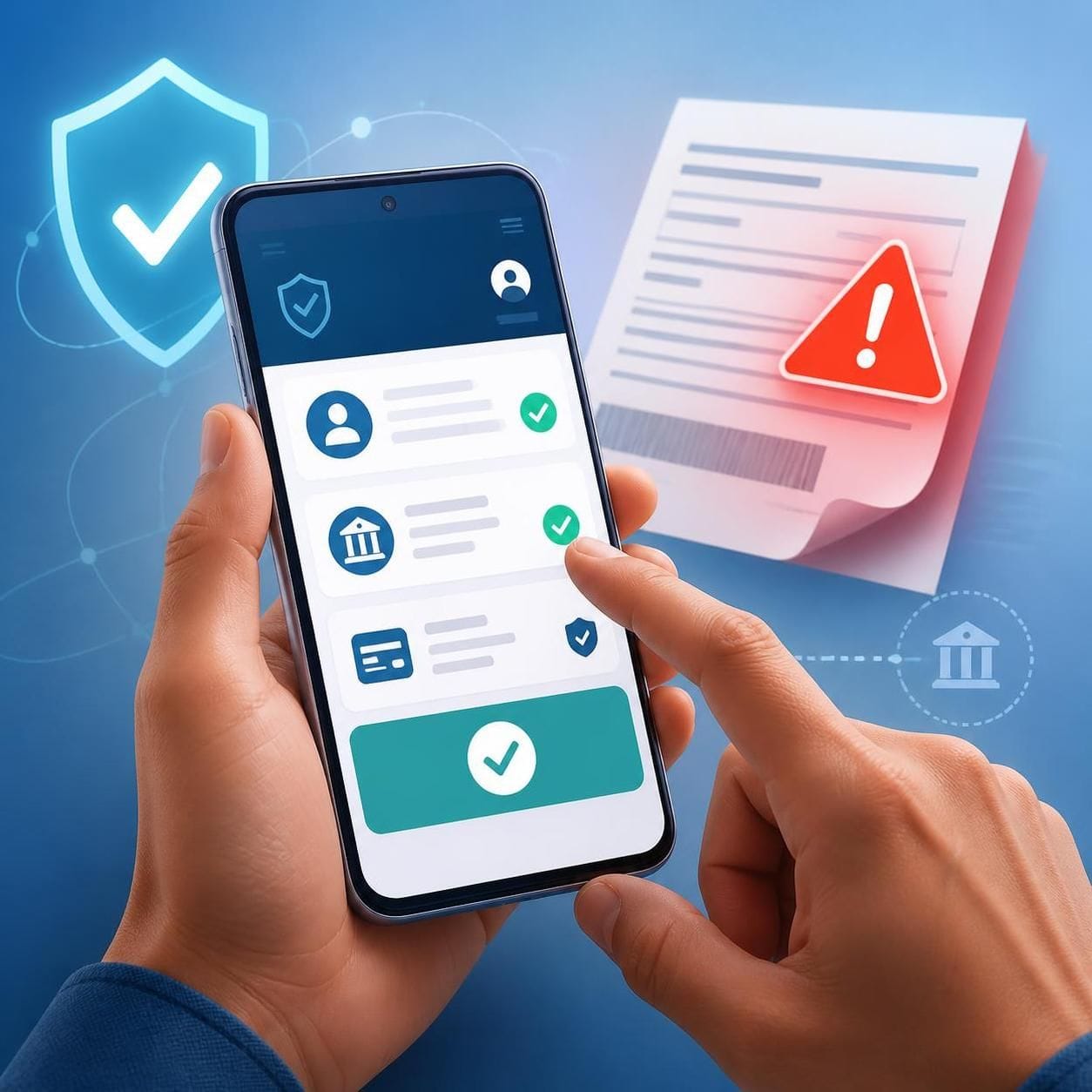
If you realize a slip is fake before paying, close the app and immediately contact the creditor company through official channels (such as the phone number printed on your contract or their official website) to request a legitimate second copy.
If the payment has unfortunately already been made, the official guidance is clear:
- Contact your banks immediately through official channels. Notify the financial institution about the improper payment to check for the possibility of a cautionary hold (bloqueio cautelar) or funds repatriation, when applicable.
- File a Police Report (Boletim de Ocorrência): Police registration is essential to document the fraud and protect your legal rights.
To better organize your bills and avoid unpleasant surprises with due dates and unexpected charges, also check out our guide on how to review your bank statement step by step and maintain a financial checking routine.
Comparison Table: Legitimate vs. Fake Bank Slip
| Criterion | Legitimate Bank Slip | Fake / Fraudulent Slip |
|---|---|---|
| Beneficiary Name | Real service provider or creditor company | Unknown individual or front company |
| Delivery Method | Company's official channels, DDA, or traditional mail | Suspicious emails, unknown WhatsApp messages, or fake websites |
| Digitizable Line | Matches the data of the issuing bank correctly | May show flaws or route credit to another institution |
| Confirmation Channels | Official website of the creditor company | Unknown links sent via messaging |
Frequently Asked Questions (FAQ)
1. Will the bank refund my money if I pay a fake slip?
Recovering the money is difficult and depends on how quickly you communicate with the bank and whether there are funds available in the fraudster's account. Therefore, prevention through beneficiary verification is essential.
2. How do I know if the slip came from computer malware?
Some malware alters barcode numbers while you view the PDF on your screen. To prevent this, always check the beneficiary's name in your banking app's transaction summary before entering your password.
3. What is DDA?
It is a free service offered by banks that allows you to view all payment slips issued against your CPF or CNPJ in a secure environment.
Conclusion
Identifying a fake bank slip requires heightened attention to the beneficiary's details at the time of payment and the use of preventive tools such as DDA. Never rely solely on the visual appearance of the document, and always validate charges through the creditor company's official channels.
Disclaimer: This content is for educational and preventive purposes, based on official public safety guidelines.

